
A recent boiler explosion exposed critical failures in high-pressure system safety, maintenance practices, and emergency response readiness.
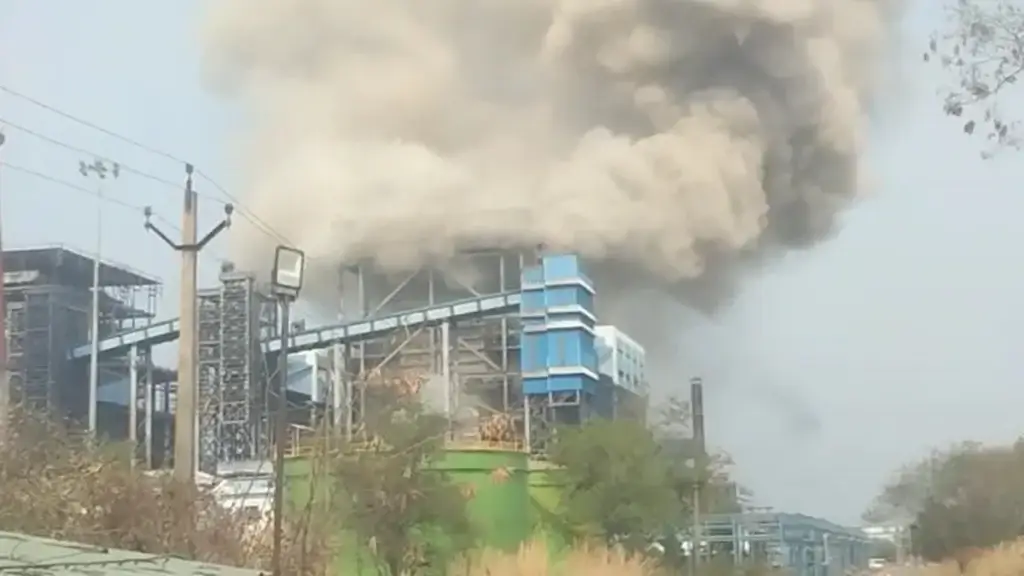
Incident Details
- Date: 14 April 2026
- Location: Singhitarai, Chhattisgarh
- Industry: Thermal Power Plant
- Company: Vedanta Limited
- Fatalities: 10–17+
- Injuries: 20–35+
Incident Summary
On 14 April 2026, a major boiler explosion occurred at a thermal power plant operated by Vedanta Limited in Singhitarai, Chhattisgarh. The incident was triggered by a sudden boiler tube failure, leading to the release of high-pressure, superheated steam within the plant area. The rapid expansion of steam caused a blast-like effect, resulting in multiple fatalities and severe burn injuries to workers present nearby. The incident led to an immediate operational shutdown and highlighted critical gaps in boiler inspection, monitoring systems, and emergency response preparedness.
Unsafe Condition Identified
Boiler Tube Failure Leading to High-Pressure Steam Release
A critical unsafe condition developed due to localized overheating of boiler tubes, likely caused by scale deposition, poor heat transfer, or inadequate water circulation. This resulted in weakening and eventual rupture of the tube under high pressure, leading to the sudden release of superheated steam (500°C+) into the surrounding area. The absence of effective real-time monitoring, early warning systems, or timely shutdown mechanisms further escalated the situation, exposing nearby personnel to severe burn injuries and fatal impact conditions.
Root Cause Analysis (RCA)
The primary root cause of the incident appears to be overheating and failure of a boiler tube due to compromised heat transfer conditions, likely resulting from scale deposition, internal corrosion, or inadequate water circulation. This led to localized metal weakening and eventual rupture under high pressure. Contributing to this failure were inadequate inspection and maintenance practices, absence or inefficiency of real-time monitoring and alarm systems, and possible delays in identifying abnormal operating conditions. The incident indicates gaps in preventive maintenance, condition monitoring, and adherence to standard operating procedures, ultimately resulting in catastrophic system failure.
⚙️ Technical Failure
- Localized overheating of boiler tube
- Scale deposition reducing heat transfer efficiency
- Internal corrosion leading to tube thinning
- High-pressure stress exceeding material strength
- Sudden rupture of tube releasing superheated steam
🛠️ Maintenance Gaps
- Inadequate periodic inspection of boiler tubes
- Lack of NDT (UT/thickness) monitoring
- Poor boiler water treatment and scaling control
- Delayed maintenance or shutdown decisions
- Absence of predictive maintenance practices
📡 Monitoring Deficiencies
- Lack of real-time temperature and pressure monitoring
- Failure to detect abnormal operating conditions early
- Ineffective or bypassed alarm systems
- No automated trip/interlock during critical deviation
- Delayed operator response to warning signals
Key Safety Learnings
- Boilers must be treated as critical hazard equipment, not routine utilities
- Regular inspection and NDT testing of boiler tubes is essential
- Effective boiler water treatment is crucial to prevent scaling and overheating
- Continuous monitoring of temperature, pressure, and water levels is mandatory
- Safety valves and interlocks must be functional and regularly calibrated
- Early warning signs (temperature rise, pressure fluctuation) must never be ignored
- Predictive maintenance systems should replace reactive maintenance practices
- Strict adherence to SOPs during operation, startup, and shutdown is critical
- Workforce must be trained on boiler hazards and emergency response
- Emergency preparedness plans must be practical, tested, and site-specific
- Contractor activities near boilers must be strictly controlled and supervised
- Periodic Boiler Safety Audits are necessary to identify hidden risks
Recommended Actions
Engineering Controls
- Install automatic boiler trip/interlock systems for high temperature, pressure, and low water level
- Ensure safety valves (PRVs) are properly sized, calibrated, and tested periodically
- Implement real-time monitoring systems (temperature, pressure, drum level) with alarms
- Use high-quality boiler tube materials with corrosion and heat resistance
- Provide redundant instrumentation (dual sensors) for critical parameters
- Install blowdown and water treatment systems to control scaling and impurities
- Ensure proper insulation and heat distribution to avoid localized overheating
- Maintain adequate ventilation and safe layout around boiler areas
- Provide remote emergency shutdown systems accessible from safe locations
- Use IoT/SCADA-based monitoring for predictive maintenance (where feasible)
Administrative Controls
- Develop and enforce SOPs for boiler operation, startup, and shutdown
- Conduct regular Boiler Safety Audits and risk assessments
- Implement strict Preventive & Predictive Maintenance schedules
- Ensure trained and certified boiler operators only handle operations
- Conduct periodic training and competency assessments for workforce
- Implement Permit-to-Work (PTW) system for maintenance activities
- Maintain detailed inspection and maintenance records/logbooks
- Establish emergency response plans specific to boiler explosion scenarios
- Conduct regular mock drills and evacuation exercises
- Enforce contractor safety management and supervision near boiler areas
Need Support in Preventing Such Incidents?
Get your boiler systems assessed before failure occurs.