
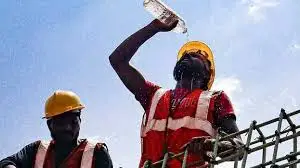
Learn how Indian worksites can prevent heat stroke with practical heat stress management strategies before peak summer hits.
Introduction — Rising Heat Risk in India
India is no longer experiencing “summer”—it is facing extreme heat events.
Every year, temperatures are rising earlier, lasting longer, and hitting harder. Cities and industrial zones are recording 45°C+ temperatures, and heatwaves are becoming more frequent.
For industries, this is not just weather—it is a serious workplace hazard.
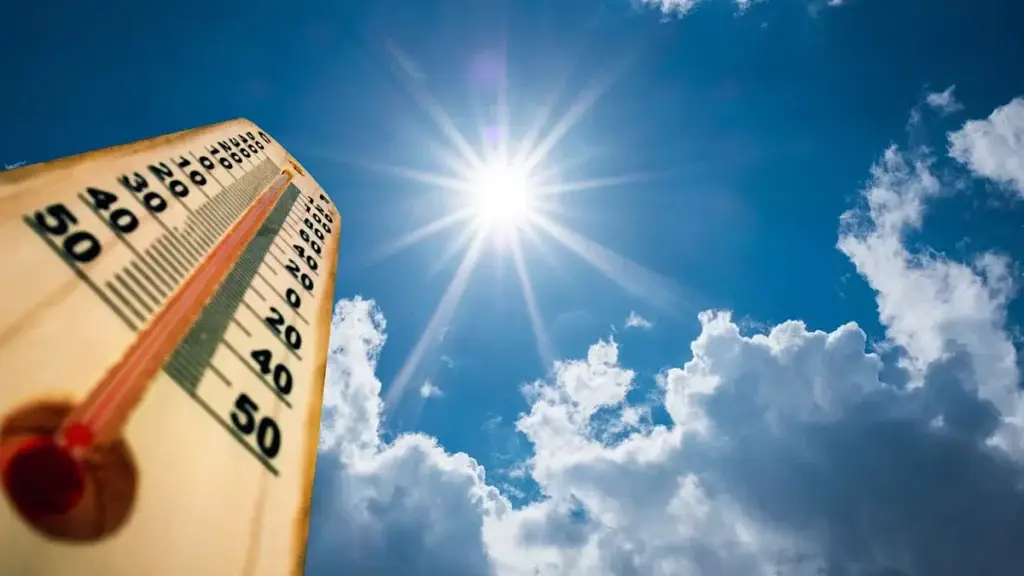
Yet, many organizations still treat heat as a seasonal inconvenience rather than a critical safety risk. The result? Worker collapses, medical emergencies, and avoidable fatalities.
Heat stress management in India is no longer optional. It is a business, legal, and ethical responsibility.
And the time to act is before peak summer arrives—not after incidents start happening.
The Reality on Indian Worksites
Across India, the same pattern repeats every summer.Construction Sites. Workers continue heavy labor under direct sunlight during peak afternoon hours. Helmets trap heat, hydration is inconsistent, and breaks are often ignored to meet deadlines.
Factories and Warehouses
Indoor environments become heat traps:
- Poor ventilation
- Heat-generating machinery
- Limited airflow
Workers experience fatigue without realizing the risk building inside their bodies.
Outdoor Maintenance & Solar Projects
Technicians work on rooftops and open fields where:
- Surface temperatures are extreme
- Shade is unavailable
- Continuous exposure becomes dangerous
Contract Labour Reality
The most vulnerable group:
- Less awareness
- No structured hydration plan for workers
- Pressure to continue working despite discomfort
This is the ground reality of summer safety in construction India and industrial operations.
Business Impact of Heat Stress
Ignoring heat stress is not just unsafe—it is expensive.
1. Worker Collapse Incidents
Sudden dizziness, fainting, or heat stroke can halt operations instantly.
2. Productivity Loss
Heat reduces:
- Worker efficiency
- Focus
- Physical endurance
Even without incidents, output drops significantly.
3. Project Delays
Frequent breaks, absenteeism, and medical emergencies slow down project timelines.
4. Legal & Compliance Risks
Organizations face:
- Compensation claims
- Legal penalties
- Increased scrutiny from authorities
5. Reputation Damage
A single incident can:
- Impact brand credibility
- Affect client trust
- Create negative public perception
Heat stress is not just a safety issue—it is a business risk multiplier.
Why Most Companies Are Still Unprepared
Despite repeated incidents, many organizations still lack structured planning.
Common Gaps in Workplace Heat Illness Prevention
- No heat stress risk assessment
- No defined hydration plan for workers
- Absence of work-rest cycles
- Lack of supervisor training
- No emergency response protocol
In many cases, safety teams react only after the first incident, which is already too late.
The biggest mistake? Assuming that workers will “manage” the heat themselves.
Early Warning Signs Companies Ignore
Heat stroke does not happen suddenly—it builds up.
Workers often show warning signs, but they go unnoticed or ignored.
Key Symptoms to Watch
- Excessive sweating or sudden stop of sweating
- Fatigue and weakness
- Headache and dizziness
- Muscle cramps
- Nausea or confusion
- Increased heart rate
Supervisors must be trained to identify these early.
Ignoring these signs is one of the biggest failures in heat stroke prevention workplace practices.
What Companies Should Do Before Summer
Preparation must start before temperatures peak.
Here’s what effective heat stress management in India looks like:
1. Conduct Heat Stress Risk Assessment
Identify:
- High-risk areas
- Heat-generating processes
- Worker exposure duration
This forms the base of all planning.
2. Implement Hydration Management
A proper hydration plan for workers should include:
- Accessible drinking water points
- Electrolyte solutions
- Scheduled hydration breaks
Hydration should be monitored, not assumed.
3. Introduce Work–Rest Cycles
Avoid continuous exposure.
- Schedule heavy work in early morning or evening
- Introduce shaded rest areas
- Rotate workers where possible
4. Train Supervisors and Workers
Awareness is critical.
Training should cover:
- Early symptoms
- Immediate actions
- Reporting procedures
5. Emergency Response Readiness
Every site must have:
- First-aid readiness
- Cooling measures (shade, water, fans)
- Clear escalation protocol
Response time can be the difference between recovery and fatality.
The Cost of Doing Nothing
Many organizations delay action due to cost concerns.
But the real cost lies in inaction.
Financial Impact
- Medical expenses
- Compensation payouts
- Work stoppage losses
Legal Risk
Failure in workplace heat illness prevention can lead to:
- Regulatory penalties
- Legal action
Human Cost
At its core, this is about worker safety.
Preventable incidents reflect system failure—not individual weakness.
Conclusion
Heat stress is predictable. That means it is preventable.
Yet, every year, Indian worksites repeat the same mistakes.
Organizations that act early will:
- Protect their workforce
- Maintain productivity
- Avoid legal and financial setbacks
Those who delay will face consequences that are far more costly than prevention.
Download the Heat Stress Management Manual
To help organizations prepare before peak summer, we have developed a practical Heat Stress Management Manual designed for Indian industries.
It includes:
- Ready-to-use checklists
- Risk assessment formats
- Hydration planning templates
- Emergency response guidelines
Download it now and prepare your site before the heat hits.